
 Slovenčina


-
 News
News
- Test with package variants
- Possibility of interpretation
Anemia (blood deficiency)
+5 €Processing of results
you only pay once per orderAnemia, commonly referred to as low blood count or blood deficiency, is a relatively common health problem.
Find out why our customers love us













Anemia (blood deficiency)

Our customers consistently rate us an average of 5 from 5 stars. For our professionalism, efficiency, and empathetic approach.

You can receive your results for selected tests on the same day as the sample collection, all other results will be available online within a few business days.

With online booking for a specific time, you minimize waiting and complete the entire sample collection quickly and comfortably.

We’re close to you at 43 collection points across Slovakia - high-quality laboratory test are within reach.

Our laboratories perform more than 40.1 million tests annually for physicians, healthcare facilities, and self-paying patients.
About this test
Anemia, commonly referred to as low blood count or blood deficiency, is a relatively common health problem.
According to the World Health Organization (WHO) definition, it is a condition in which the hemoglobin level in the blood is lower than what is normal for a person’s age and sex. Hemoglobin is an important component of red blood cells and ensures the transport of oxygen to tissues. If the body does not have enough of it, oxygenation of tissues and organs is impaired.
The red blood cell count may be reduced in anemia, but in some types of anemia it may remain normal or even be elevated. Therefore, a comprehensive laboratory workup is essential for accurately determining the type and cause of anemia and for subsequent treatment.
What are the possible causes of anemia?
The causes of anemia are generally divided into two main groups:
- anemia caused by a disorder in red blood cell production,
- anemia caused by their premature destruction.
A disorder in red blood cell production can arise, for example, due to a deficiency of:
- iron,
- vitamin B12,
- folic acid (folate),
- erythropoietin.
It can also be caused by bone marrow disorders, in which insufficient red blood cells are produced or the red blood cells are of poor quality.
Premature loss of red blood cells can be caused by increased breakdown of red blood cells (hemolysis) or by acute or chronic blood loss. Hemolysis can occur, for example, in certain diseases, following exposure to toxic substances, or as a side effect of certain medications.
One of the most common forms of anemia is iron deficiency anemia (sideropenic anemia). Anemias associated with chronic diseases or those resulting from a deficiency of vitamin B12 and folic acid—known as megaloblastic anemias—are also common.
What are the symptoms of anemia?
Anemia causes what is known as the anemic syndrome—a set of symptoms resulting from insufficient oxygenation of tissues. Specific symptoms may vary from person to person depending on the severity of the anemia, how quickly it developed, age, or the presence of other medical conditions.
The most common symptoms include:
- fatigue,
- weakness,
- malaise,
- sensitivity to cold,
- ringing in the ears,
- dizziness,
- fainting,
- shortness of breath on exertion,
- difficulty concentrating,
- confusion.
Some people may also experience chest pain (angina pectoris) or pain and cramps in the legs while walking.
At the same time, the body tries to compensate for the lack of oxygen, which can lead to:
- rapid heartbeat (tachycardia),
- heart palpitations,
- pallor of the skin and mucous membranes.
Typical symptoms of certain types of anemia
Iron-deficiency anemia (sideropenic anemia)
It may manifest as increased brittleness of the nails, so-called spoon-shaped nails (koilonychia), poor hair quality, or pica—a craving to consume non-food substances such as dirt, chalk, sand, or paper.
Megaloblastic Anemia
It is often associated with neurological symptoms, such as tingling and numbness in the extremities, muscle weakness, memory problems, confusion, or irritability. Mild jaundice or a burning sensation and redness of the tongue (Hunter’s glossitis) may also occur.
Hemolytic Anemias
Typical symptoms may include jaundice or an enlarged spleen.
Collection instructions
Please read these instructions carefully well in advance of the collection.
Please bring a valid ID (ID card or passport) to verify your identity.
Testing procedure
How takes place Anemia (blood deficiency)
Your journey to better health starts here — simple, clear, and tailored for you.

Choose the right test for you
Explore our wide selection of lab tests tailored to your symptoms, lifestyle, or specific parameters. Find exactly what you need — quickly and easily.

Book online in just a few clicks
Select a convenient time at one of our 41 collection points and pay securely by card. The whole process takes just minutes.

Visit your chosen collection point
Arrive at your selected location at the scheduled time. The sample collection is fast and hassle-free.
We’ll collect: blood.

Expert laboratory analysis
Your sample is analyzed in top-tier, accredited labs using state-of-the-art technology. Results are available within 3 business days.

Get your results online
Access your results safely and securely in your personal account. Clearly presented and easy to understand.
FAQ
Can I contact a helpline if I have a question?
You can address your questions to [email protected] or to the sk.unilabs.online social media page. We will answer your questions on business days from 8:30 a.m. to 4:00 p.m.
Our info line is receiving more and more praise. Here is one of them:
"Good day. Everything was fine. I also communicated with the ladies from the call center, and they were very kind, helpful, and accommodating. 👍 The complete results arrived very quickly — practically within 24 hours of the sampling. 👍 Thank you." Vladimír
What is the preparation before blood collection?
You should arrive for your blood collection in the morning and on an empty stomach. It is also recommended to drink water before the blood collection. For more detailed information on how to prepare for a blood collection, please refer to the individual product pages in the Instructions Before Collection section and on the page the Instructions Before Collection.
How can I pay for the collection?
The payment is always made online via Unilabs Online. After entering your details, you will be redirected to the payment gateway, where you can confirm the payment with just a few clicks, and within a few minutes, you can proceed to your examination. You can use Apple Pay, Google Pay, or online card payment.
When will I know the results of the laboratory tests?
We will notify you immediately after the results are available in your account by email and possibly by text message, if you have a mobile phone number connected to your account.
Ms. Ivana says:
“The results arrived earlier, and the overall blood draw process was quick, so I’m satisfied. Online booking is great.”
In what form will I receive the results from sk.unilabs.online?
The results will be sent to your private sk.unilabs.online account in PDF version as soon as they are available. You will be informed about the availability of the result both by email and text message.
Customer reviews
5 stars out of 3 ratings
3 customer reviews
 Verified customer
Verified customer
Verified customer
Verified customer
Verified customer
Add similar tests to your cart
Information from the blood? You can never have enough
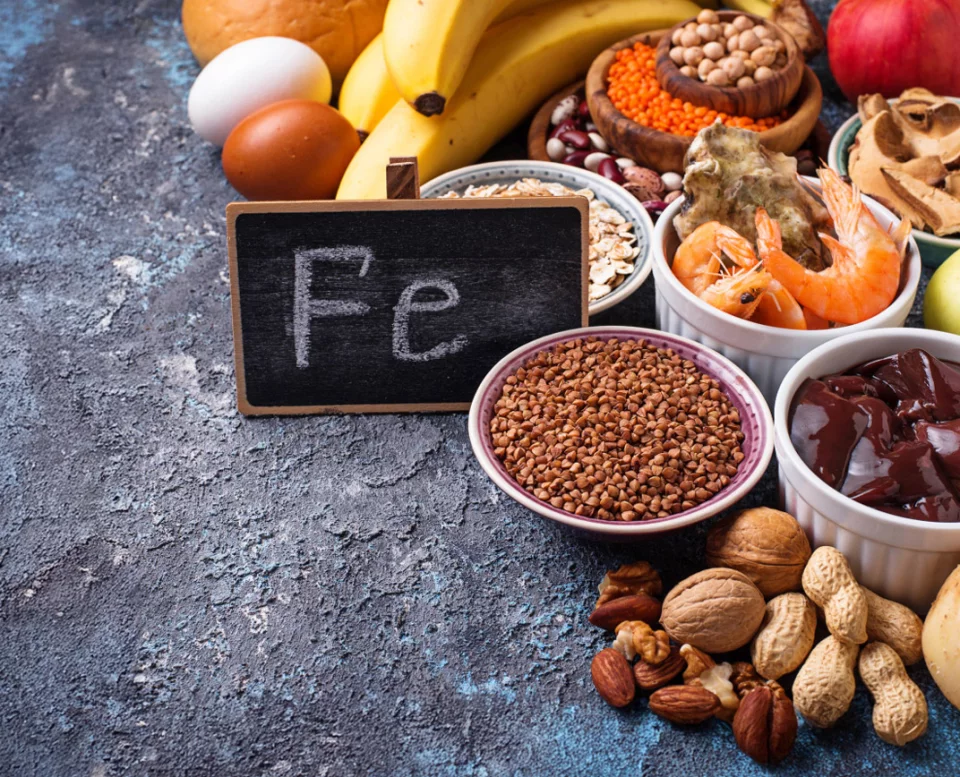
Iron is an essential biological element required for many processes in the human body. Above all, it is a key component of hemoglobin—the red blood pigment in red blood cells—which is essential for…

 The most popular
As part of the “Men's preventive care 40+” laboratory testing package, we will monitor the values of 21 parameters. For example, we will measure the blood level of prostate markers (PSA and fPSA),…

As part of the “Women's preventive care 40+” laboratory testing package, we will monitor the values of 25 parameters. Compared to the “Women's preventive care 30+” variant, this package additionally…

Why is iron important for our bodies? Iron is one of the minerals that the human body cannot do without. It is essential for a wide range of important processes, particularly the production of…