
 Slovenčina


-
 News
News
- Package of tests
Men's Fitness Test
 Collection point
 From 6 years old
Partner collection point
From 6 years old
Partner collection point
 from 18 years old
Partner collection point
from 18 years old
Collection point
From 6 years old
Collection point
From 6 years old
Partner collection point
from 18 years old
Partner collection point
from 18 years old
Partner collection point
from 18 years old
Collection point
From 6 years old
Collection point
From 6 years old
Partner collection point
from 18 years old
Collection point
From 6 years old
Collection point
From 6 years old
Partner collection point
from 18 years old
Partner collection point
from 18 years old
Partner collection point
from 18 years old
Partner collection point
from 18 years old
Partner collection point
from 18 years old
Partner collection point
from 18 years old
Partner collection point
from 18 years old
Partner collection point
Partner collection point
from 18 years old
Partner collection point
from 18 years old
Collection point
From 6 years old
Collection point
From 6 years old
Partner collection point
from 18 years old
Partner collection point
from 18 years old
Partner collection point
from 18 years old
Partner collection point
From 6 years old
Collection point
From 6 years old
Partner collection point
from 18 years old
Collection point
From 6 years old
Collection point
From 6 years old
Partner collection point
from 18 years old
Partner collection point
from 18 years old
Collection point
From 6 years old
Partner collection point
From 6 years old
Partner collection point
from 18 years old
Partner collection point
From 6 years old
Partner collection point
from 18 years old
Partner collection point
from 18 years old
from 18 years old
Partner collection point
from 18 years old
Collection point
From 6 years old
Collection point
From 6 years old
Partner collection point
from 18 years old
Partner collection point
from 18 years old
Partner collection point
from 18 years old
Collection point
From 6 years old
Collection point
From 6 years old
Partner collection point
from 18 years old
Collection point
From 6 years old
Collection point
From 6 years old
Partner collection point
from 18 years old
Partner collection point
from 18 years old
Partner collection point
from 18 years old
Partner collection point
from 18 years old
Partner collection point
from 18 years old
Partner collection point
from 18 years old
Partner collection point
from 18 years old
Partner collection point
Partner collection point
from 18 years old
Partner collection point
from 18 years old
Collection point
From 6 years old
Collection point
From 6 years old
Partner collection point
from 18 years old
Partner collection point
from 18 years old
Partner collection point
from 18 years old
Partner collection point
From 6 years old
Collection point
From 6 years old
Partner collection point
from 18 years old
Collection point
From 6 years old
Collection point
From 6 years old
Partner collection point
from 18 years old
Partner collection point
from 18 years old
Collection point
From 6 years old
Partner collection point
From 6 years old
Partner collection point
from 18 years old
Partner collection point
From 6 years old
Partner collection point
from 18 years old
Partner collection point
from 18 years old
Regular exercise offers numerous health benefits, but it also places greater demands on the body. The Fitness MEN laboratory test package is designed for all men who want to start exercising or who already engage in recreational or active sports.
It is suitable for:
- recreational athletes: it is designed to help better understand the body’s responses to physical exertion, identify nutrient deficiencies, and prevent overexertion or injuries. The tests assess overall health, oxygenation, and recovery, as well as liver and kidney function, electrolyte levels, and indicators of muscular and metabolic stress. They also measure levels of certain hormones that influence physical performance, metabolism, and processes essential for the body’s proper functioning. The results can serve as a basis for optimizing your training plan, nutrition, and supplementation regimen.
- beginner athletes: starting a sport is an ideal opportunity to pay attention to your health. The examinations will help determine how prepared the body is for increased physical exertion and provide important information about the condition of the muscles, heart, liver, kidneys, hydration, and energy metabolism. Early detection of imbalances, nutrient deficiencies, or hidden health issues can significantly improve athletic performance, recovery, and motivation to continue exercising safely and effectively.
- active athletes: Active sports place extreme demands on the body. These tests are also suitable for people who engage in intense physical activity, even at a professional level, and need comprehensive information about their health and performance potential. The results will help identify risk factors early, optimize training and nutrition, and prevent overexertion or injuries.
Find out why our customers love us













Men's Fitness Test

Our customers consistently rate us an average of 5 from 5 stars. For our professionalism, efficiency, and empathetic approach.

You can receive your results for selected tests on the same day as the sample collection, all other results will be available online within a few business days.

With online booking for a specific time, you minimize waiting and complete the entire sample collection quickly and comfortably.

We’re close to you at 43 collection points across Slovakia - high-quality laboratory test are within reach.

Our laboratories perform more than 40.1 million tests annually for physicians, healthcare facilities, and self-paying patients.
About this test
Regular exercise offers numerous health benefits, but it also places greater demands on the body. The Fitness MEN laboratory test package is designed for all men who want to start exercising or who already engage in recreational or active sports.
It is suitable for:
- recreational athletes: it is designed to help better understand the body’s responses to physical exertion, identify nutrient deficiencies, and prevent overexertion or injuries. The tests assess overall health, oxygenation, and recovery, as well as liver and kidney function, electrolyte levels, and indicators of muscular and metabolic stress. They also measure levels of certain hormones that influence physical performance, metabolism, and processes essential for the body’s proper functioning. The results can serve as a basis for optimizing your training plan, nutrition, and supplementation regimen.
- beginner athletes: starting a sport is an ideal opportunity to pay attention to your health. The examinations will help determine how prepared the body is for increased physical exertion and provide important information about the condition of the muscles, heart, liver, kidneys, hydration, and energy metabolism. Early detection of imbalances, nutrient deficiencies, or hidden health issues can significantly improve athletic performance, recovery, and motivation to continue exercising safely and effectively.
- active athletes: Active sports place extreme demands on the body. These tests are also suitable for people who engage in intense physical activity, even at a professional level, and need comprehensive information about their health and performance potential. The results will help identify risk factors early, optimize training and nutrition, and prevent overexertion or injuries.
The package includes the following tests: complete blood count (CBC) and differential, blood glucose and protein levels, lipid profile, urea, creatinine, and uric acid levels, liver function tests and bilirubin levels, and electrolyte and mineral levels such as Na, K, Ca, Mg, Zn, iron metabolism, levels of certain vitamins, sex hormones such as testosterone, thyroid hormones, insulin, and the inflammatory marker CRP. In addition, it includes the determination of the creatinine-to-total protein ratio in urine.
More detailed information about the test
Complete blood count (CBC) and differential
This test provides an initial overview of your health, including how your blood and immune system are functioning, as well as how well oxygen is being delivered to your tissues—a role performed by red blood cells. White blood cells are essential for the proper functioning of the immune system. Elevated levels may indicate that the body is responding to infection, inflammation, or stress. If their count is low, the immune system may be weakened. The differential blood count describes the proportion of individual white blood cell subtypes and helps distinguish between bacterial, viral, and parasitic infections, as well as identify allergies, chronic inflammation, and immune system disorders. Platelets are important for stopping bleeding and repairing damaged blood vessels. Deviations from their normal count may indicate blood clotting disorders.
Blood Biochemical Tests
These tests help assess overall health and general physical readiness for optimal performance. They help evaluate how the body regulates energy, hydration, and recovery. They focus on organ function and metabolism. They provide initial information on the functioning of carbohydrate, fat, and protein metabolism. They provide information on the functioning of organs such as the liver, gallbladder, kidneys, and thyroid gland, as well as on potential risks of cardiovascular disease and diabetes.
Abnormalities in blood sugar (glucose) levels may indicate undiagnosed or developing diabetes. Lipid levels, such as cholesterol and triglycerides, are important for assessing the risk of atherosclerosis and cardiovascular disease. The TSH test helps evaluate metabolic status and energy levels.
Parameters for assessing kidney function (creatinine, urea, uric acid, GFR-CKD-EiI) indicate how well the kidneys are performing their role in excretion and maintaining optimal hydration, which is very important during physical activity.
Parameters such as bilirubin, AST, ALT, GGT, and ALP help assess the condition and function of the liver, which is essential for processing nutrients and detoxifying the body.
Sodium and potassium are minerals that help maintain fluid balance and serve as indicators of proper cell function. CRP is a marker used to assess the presence of inflammation.
In addition to the blood test, a urine test will also be performed, which will provide further important information about kidney and urinary tract function and the metabolism of various substances.
Blood tests included in the Fitness MAN package
Complete blood count and differential
This test is important for assessing overall health and can help detect various abnormalities, including hidden ones, that may affect physical performance or recovery. It can also reveal existing conditions that need to be addressed.
It can detect anemia (low blood count) associated with impaired oxygen supply to tissues. Anemia is more common in athletes, especially endurance athletes. In some cases, it is not true anemia, but an increase in blood plasma volume; the number of red blood cells does not decrease. True anemia in athletes arises primarily from iron deficiency due to the increased demands of endurance sports, increased losses, or reduced absorption, particularly in conjunction with a vegetarian or vegan diet. Female athletes are particularly prone to increased iron loss due to menstruation. Anemia may manifest as decreased performance, rapid fatigue, and difficulty improving performance.
Glucose
It is the primary source of energy, and its levels in the blood (glycemia) are strictly regulated. Testing can reveal any disturbances in this regulation, particularly levels exceeding the upper limit of normal, which most commonly occur in diabetes. Low levels may occur, for example, due to malnutrition, starvation, excessive insulin production, or insulin overdose during diabetes treatment, as well as in certain hormonal disorders.
Glycated hemoglobin (HbA1c)
Glycated hemoglobin is formed in the body through the irreversible binding of glucose to the hemoglobin in red blood cells. Its amount depends on blood glucose concentration and the lifespan of red blood cells. Glycated hemoglobin concentration reflects blood glucose levels over the lifespan of red blood cells, i.e., approximately 120 days, and is used to assess diabetes control over the past 6 to 8 weeks prior to testing. In addition, it is also important in the diagnosis of so-called prediabetic conditions, in which blood sugar levels are not yet elevated, but elevated levels of glycated hemoglobin may indicate the possible onset of impaired glucose metabolism.
Insulin
Insulin is a hormone produced in the pancreas that has anabolic effects in the body and serves as the primary regulator of glucose balance. It allows glucose to move from the blood into cells, where it is used as an energy source. At normal concentrations and function, it leads to a decrease in blood glucose levels after ingestion.
Urea
It is formed by the breakdown of proteins in the liver. Its concentration in the blood depends on protein intake from food, as well as kidney and liver function. It is a very good indicator of kidney function. During more intense physical activity, there is a temporary, usually mild increase in its levels, but dehydration can also cause elevated blood levels.
Creatinine
Creatinine is a substance produced as a byproduct of muscle metabolism from a compound that supplies the energy needed for muscle contraction. It is excreted exclusively by the kidneys, making it a suitable indicator of kidney function. Plasma creatinine levels reflect not only kidney function but also the amount of muscle mass. Based on the level of creatinine in the blood, the glomerular filtration rate (GFR) of the kidneys can be calculated, which indicates their functional capacity. The amount of creatinine produced depends, among other things, on body weight and muscle mass.
eGFR – CKD-EPI
Estimated glomerular filtration rate (eGFR), calculated using the CKD-EPI formula, is a key indicator of kidney function and filtration capacity. Serum creatinine levels are used for the calculation. It indicates the volume of plasma cleared of a specific substance (in this case, creatinine) as it passes through the kidneys per unit of time.
Uric acid
Uric acid (UA) is a nitrogenous substance produced in humans as the end product of purine metabolism. It acts as a powerful antioxidant (removing free oxygen radicals). At the same time, it has long been known that elevated UA levels represent a risk factor for cardiovascular disease. This is particularly significant in patients with elevated cardiovascular risk due to other factors (such as hypertension, diabetes, lipid metabolism disorders, chronic kidney disease, or the accumulation of cardiovascular risk factors).
Total protein
This is the sum of all proteins (their concentration) in the blood. Albumin accounts for nearly 60%, and the remainder is a mixture of globulins. Most are synthesized in the liver. Proteins are the basic building blocks of all cells and tissues; they are important for physical growth and muscle development, and play a key role in the functioning of the immune system, the blood clotting system, and the transport of various substances in the blood.
Albumin
Albumin is the main protein in blood and is produced in the liver. It helps maintain fluid balance and transports substances throughout the body.
Testosterone
Testosterone is a steroid hormone produced in the testes. It is responsible for the development of primary (reproductive organs) and secondary sexual characteristics, muscle and bone mass, and typical male body hair, laryngeal growth (and associated voice changes), fertility, as well as male behavior and thinking. A small amount of testosterone is also produced in women. In athletes, it is recommended to regularly monitor testosterone levels, as they respond to any physical exertion or stress.
fT4
fT4 is the free, i.e., active form of the thyroid hormone thyroxine. The thyroid hormones thyroxine (T4) and triiodothyronine (T3) influence metabolism, growth, and energy expenditure. This test provides information about thyroid function and, together with TSH, is essential for diagnosing and monitoring thyroid disorders. A deficiency of these hormones causes a slowed metabolism and may manifest, among other things, as poor tolerance to cold, fatigue, a slower heart rate, slowed movements and speech, reduced sweating, and mild weight gain. Elevated levels are associated, for example, with heart palpitations, shortness of breath, poor tolerance of higher temperatures, increased sweating, muscle tremors, and weight loss despite an increased appetite.
Thyroid-Stimulating Hormone (TSH)
TSH, or thyroid-stimulating hormone, regulates the production of the hormones thyroxine (T4) and triiodothyronine (T3) in the thyroid gland and stimulates their production. The test helps detect thyroid disorders in their early stages and provides information for further diagnostic and therapeutic decisions.
Bilirubin
Bilirubin is a yellow-orange pigment, a product of heme metabolism. Heme is a component of hemoglobin in red blood cells, but it is also found in other proteins (e.g., myoglobin). Bilirubin and its metabolites are responsible for the characteristic color of bile, stool, and urine. The level of bilirubin in the blood is an indicator of liver and biliary tract function and may also indicate increased breakdown of red blood cells. Bilirubin levels can also be elevated by excessive physical exertion, which is why bilirubin is regularly monitored in athletes.
ALT
ALT (alanine aminotransferase), along with AST, is one of the most commonly used enzymes for diagnosing liver cell damage. Unlike AST, ALT is primarily localized in the liver. It is important not only for the synthesis and breakdown of amino acids but also plays a role in glucose metabolism. It serves as an indicator of liver function. Elevated ALT levels may also be the liver’s response to stress caused by intense physical activity.
AST
AST (aspartate aminotransferase) is an enzyme that, along with ALT, is one of the most commonly used enzymes for assessing liver function. Its highest activity is observed in the heart, liver, and skeletal muscles. It is released into the bloodstream when cell integrity is compromised. Physical activity (even with microscopic muscle damage) can lead to a temporary increase in AST.
GGT
GGT (or GMT in the reference literature) is gamma-glutamyltransferase, an enzyme with the highest concentration in the liver. When observing a liver cell, the GGT enzyme is located near its surface (membrane), and is therefore one of the first enzymes to be released in the event of damage to the liver and bile ducts (caused, for example, by medications or alcohol).
ALP
ALP (alkaline phosphatase) is an enzyme bound to cell membranes and is involved in the active transport of substances. It reacts very sensitively to changes in liver and bile duct function and bone disease.
Sodium
Sodium (Na) is an essential mineral necessary for the normal course of physiological processes in the body. It regulates fluid volume in the body, thereby preventing dehydration during exercise. Excessive amounts of sodium can cause blood pressure problems. Sodium is linked to potassium metabolism, which contributes to the proper functioning of the body.
Potassium
Potassium (K) is an essential mineral closely linked to sodium that regulates water balance and acid-base balance in the body. Potassium is irreplaceable because physical exertion (especially at higher intensities) always leads to high acid levels. A potassium deficiency reduces the ability of muscles to function properly, making intense physical activity impossible. It is therefore essential for athletes to maintain optimal potassium levels.
Magnesium
Magnesium (Mg) is primarily stored in bones and muscles, where it aids in the transmission of nerve impulses and supports enzyme activity. People with magnesium deficiency often experience general irritability and increased nervousness, as well as potential muscle cramps and chronic fatigue.
Calcium
Calcium (Ca) is a mineral and a fundamental building block of bones and teeth. It supports the function of many enzymes, blood clotting, muscle function (contraction and relaxation), and hormone release.
Zinc
Zinc (Zn) is an essential trace element that plays a role in various bodily functions, including the immune system, wound healing, and cell growth. Testing helps assess zinc levels and indicate potential issues with overall health and nutritional status.
Serum Iron
Iron (Fe) is an essential biological element for many processes in the human body; most importantly, it is a component of hemoglobin, the red blood pigment in red blood cells, which is essential for transporting oxygen to tissues. A deficiency in iron is associated with the development of anemia. In blood serum, iron is transported only when bound to the protein transferrin. Serum iron testing focuses on iron bound to transferrin in the blood. Its levels fluctuate throughout the day. For a comprehensive assessment of iron stores, it is necessary to test it in combination with other tests.
Ferritin
Ferritin is a protein and a storage form of iron; it is the primary indicator of iron stores in the body. Only a small amount is found in serum, reflecting the amount of intracellular iron stores available for red blood cell production. It is found primarily in the liver, spleen, bone marrow, and intestinal mucosa. Ferritin is also one of the so-called acute-phase reactants, which are substances whose levels in the blood rise during the acute phase of inflammation. Serum ferritin levels are used to diagnose various conditions, particularly iron deficiency or iron overload. Low serum ferritin levels indicate depleted iron stores and may suggest iron-deficiency anemia, while high levels may indicate iron overload or the presence of inflammation or chronic disease.
Vitamin B12
Vitamin B12 is an essential vitamin; it is not produced by the body and must be obtained from the diet. It is important for DNA synthesis, red blood cell production, nervous system function, and the metabolism of fatty acids and amino acids. It is found exclusively in animal-based foods, so vegans and vegetarians are more prone to deficiency. Vitamin B12 deficiency can lead to anemia, which causes impaired oxygen supply to tissues, affecting physical performance.
Vitamin B12 (active)
To detect a vitamin B12 deficiency early, testing for its active component, holotranscobalamin (active B12), is recommended, as it has higher sensitivity and specificity.
Vitamin D
Vitamin D (calciferol) is a fat-soluble vitamin and is very important for the absorption of calcium and phosphorus, bone and dental health, and the function of the immune system and muscles. There are two main forms: vitamin D3 (cholecalciferol) and vitamin D2 (ergocalciferol). The body’s primary source of vitamin D is the production of vitamin D3 in the skin, which requires sunlight. A smaller portion comes from food; vitamin D3 is found primarily in animal products (fish, milk, eggs) and is better absorbed in this form. Vitamin D is converted in the liver and subsequently in the kidneys into the active form, calcitriol. Plant-based foods contain vitamin D2, which is converted into the active form less efficiently.
Total Cholesterol
Cholesterol is a lipid found in every cell of the body and performs several essential functions. In the blood, it is bound to lipoproteins. Measuring cholesterol and its fractions is a fundamental step in assessing lipid metabolism and the risk of cardiovascular diseases, such as atherosclerosis or ischemic heart disease.
LDL cholesterol (LDL-c)
LDL cholesterol is cholesterol transported in LDL (low-density lipoprotein) particles. LDL particles transport the majority of cholesterol from the liver to the tissues. It belongs to the family of lipoprotein particles containing so-called apolipoprotein B (Apo B), which are considered atherogenic (causing atherosclerosis); they are one of the most significant risk factors for atherosclerotic cardiovascular diseases and an indicator of their risk.
HDL cholesterol (HDL-c)
HDL cholesterol is the cholesterol contained in HDL (high-density lipoprotein) particles. An adequate level of HDL-c is important because its role is to transport excess cholesterol to the liver, where it is metabolized and subsequently excreted from the body. Low HDL-c is a risk factor for atherosclerosis. Experts have established a minimum HDL-c value; if levels fall below this, cardiovascular risk increases. However, it is not true that the higher the HDL cholesterol, the lower the cardiovascular risk. Recent studies show that people with very high levels of HDL cholesterol have a higher risk of developing heart disease.
Triacylglycerols
Triacylglycerols are the most common form of fat in the human body. They constitute a significant energy reserve for the body, stored primarily in adipose tissue. Blood levels of triacylglycerols and cholesterol are key indicators of fat metabolism. Their levels depend primarily on the functioning of metabolism as a whole, lifestyle—including diet—and physical activity. Chronically elevated blood levels are associated with a higher risk of atherosclerosis and cardiovascular disease.
Urine tests included in the Fitness MAN package
PCR
The protein-to-creatinine ratio (PCR) in urine is important for assessing kidney function and identifying kidney dysfunction. Under physiological conditions, only a very small amount of protein is found in urine. In addition to kidney disease, bleeding and inflammation can also cause elevated protein levels in urine.
What’s inside
Collection instructions
It is necessary to obtain a collection tube, which can be purchased at a pharmacy or at any of our collection points.
Please bring a valid ID (ID card or passport) to verify your identity.
Please read these instructions carefully well in advance of the collection.
Testing procedure
How takes place Men's Fitness Test
Your journey to better health starts here — simple, clear, and tailored for you.

Choose the right test for you
Explore our wide selection of lab tests tailored to your symptoms, lifestyle, or specific parameters. Find exactly what you need — quickly and easily.

Book online in just a few clicks
Select a convenient time at one of our 41 collection points and pay securely by card. The whole process takes just minutes.

Visit your chosen collection point
Arrive at your selected location at the scheduled time. The sample collection is fast and hassle-free.
We’ll collect: blood, urine.

Expert laboratory analysis
Your sample is analyzed in top-tier, accredited labs using state-of-the-art technology. Results are available within 3 business days.

Get your results online
Access your results safely and securely in your personal account. Clearly presented and easy to understand.
FAQ
Can I contact a helpline if I have a question?
You can address your questions to [email protected] or to the sk.unilabs.online social media page. We will answer your questions on business days from 8:30 a.m. to 4:00 p.m.
Our info line is receiving more and more praise. Here is one of them:
"Good day. Everything was fine. I also communicated with the ladies from the call center, and they were very kind, helpful, and accommodating. 👍 The complete results arrived very quickly — practically within 24 hours of the sampling. 👍 Thank you." Vladimír
What is the preparation before blood collection?
You should arrive for your blood collection in the morning and on an empty stomach. It is also recommended to drink water before the blood collection. For more detailed information on how to prepare for a blood collection, please refer to the individual product pages in the Instructions Before Collection section and on the page the Instructions Before Collection.
How can I pay for the collection?
The payment is always made online via Unilabs Online. After entering your details, you will be redirected to the payment gateway, where you can confirm the payment with just a few clicks, and within a few minutes, you can proceed to your examination. You can use Apple Pay, Google Pay, or online card payment.
When will I know the results of the laboratory tests?
We will notify you immediately after the results are available in your account by email and possibly by text message, if you have a mobile phone number connected to your account.
Ms. Ivana says:
“The results arrived earlier, and the overall blood draw process was quick, so I’m satisfied. Online booking is great.”
In what form will I receive the results from sk.unilabs.online?
The results will be sent to your private sk.unilabs.online account in PDF version as soon as they are available. You will be informed about the availability of the result both by email and text message.
Customer reviews
4.89 stars out of 9 ratings
9 customer reviews
 Verified customer
Verified customer
Verified customer
Verified customer
Verified customer
Verified customer
Verified customer
Add similar tests to your cart
Information from the blood? You can never have enough

Regular exercise has proven health benefits. There is evidence to suggest that a sedentary lifestyle may be a stronger predictor of mortality than known risks such as smoking, high blood…

 The most popular
As part of the “Men's preventive care 30+” laboratory testing package, we will determine the values of 16 parameters. As a result, you will get an overview of your vitamin D blood level or your lipid…
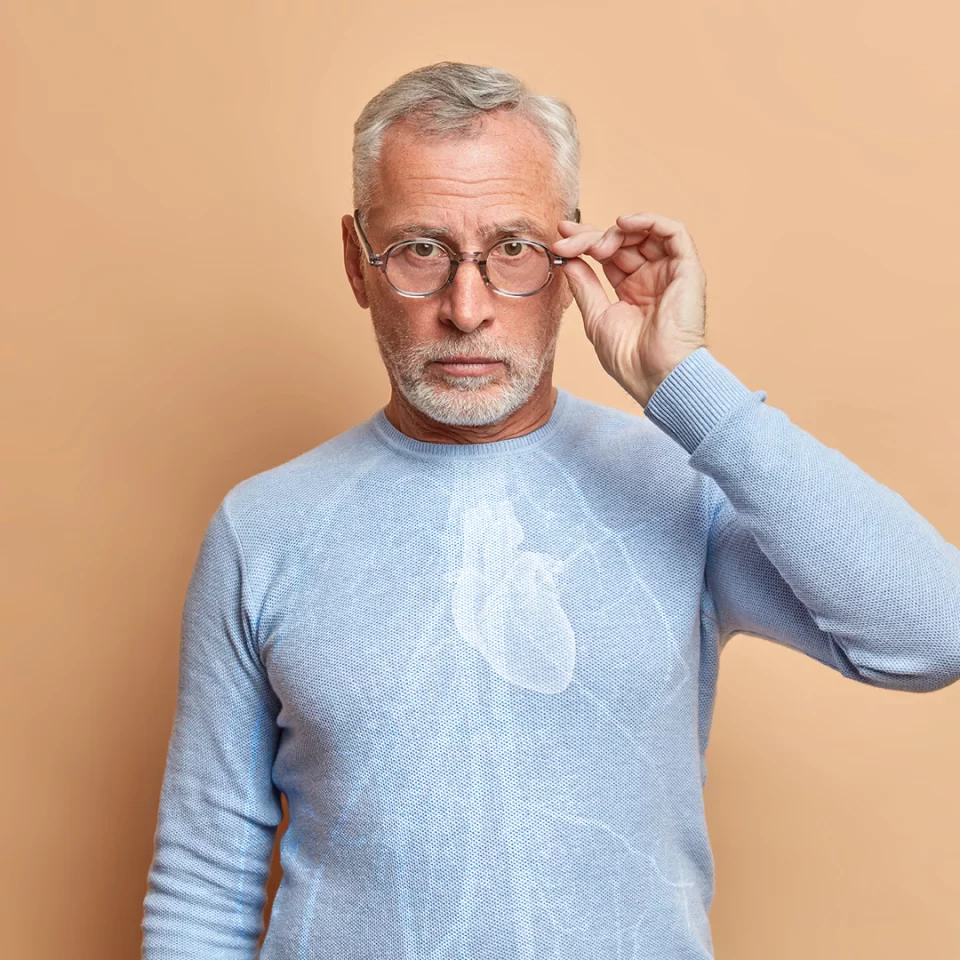
This testing package is intended for individuals seeking a thorough evaluation of their cardiovascular health. The Cardiovascular Test EXPERT provides a comprehensive laboratory view of the…
Sources
- Lee EC, et al. Biomarkers in Sports and Exercise: Tracking Health, Performance, and Recovery in Athletes. J Strength Cond Res. 2017 Oct;31(10):2920-2937. doi: 10.1519/JSC.0000000000002122. PMID: 28737585; PMCID: PMC5640004.
- Pedlar CR, Newell J, Lewis NA. Blood Biomarker Profiling and Monitoring for High-Performance Physiology and Nutrition: Current Perspectives, Limitations and Recommendations. Sports Med. 2019 Dec;49(Suppl 2):185-198. doi: 10.1007/s40279-019-01158-x. PMID: 31691931; PMCID: PMC6901403.
- Haller N, Behringer M, Reichel T, Wahl P, Simon P, Krüger K, Zimmer P, Stöggl T. Blood-Based Biomarkers for Managing Workload in Athletes: Considerations and Recommendations for Evidence-Based Use of Established Biomarkers. Sports Med. 2023 Jul;53(7):1315-1333. doi: 10.1007/s40279-023-01836-x. Epub 2023 May 19. PMID: 37204619; PMCID: PMC10197055.
- Ross R, Blair SN, Arena R, et al. Importance of Assessing Cardiorespiratory Fitness in Clinical Practice: A Case for Fitness as a Clinical Vital Sign: A Scientific Statement From the American Heart Association. Circulation 2016; 134:e653.
- Pelliccia A, et al. ESC Scientific Document Group. 2020 ESC Guidelines on sports cardiology and exercise in patients with cardiovascular disease. Eur Heart J. 2021 Jan 1;42(1):17-96. doi: 10.1093/eurheartj/ehaa605. Erratum in: Eur Heart J. 2021 Feb 1;42(5):548-549. doi: 10.1093/eurheartj/ehaa835. PMID: 32860412.