
 Slovenčina

-
 News
- Separate parameter
Bile acids
+5 €Processing of results
you only pay once per order Collection point
 From 6 years old
Partner collection point
 from 18 years old
Partner collection point
from 18 years old
Collection point
From 6 years old
Collection point
From 6 years old
Collection point
From 6 years old
Partner collection point
from 18 years old
Partner collection point
from 18 years old
Partner collection point
from 18 years old
Collection point
From 6 years old
Collection point
From 6 years old
Partner collection point
from 18 years old
Collection point
From 6 years old
Collection point
From 6 years old
Partner collection point
from 18 years old
Partner collection point
from 18 years old
Partner collection point
from 18 years old
Partner collection point
from 18 years old
Partner collection point
from 18 years old
Partner collection point
from 18 years old
Partner collection point
from 18 years old
Partner collection point
Partner collection point
from 18 years old
Partner collection point
from 18 years old
Collection point
From 6 years old
Collection point
From 6 years old
Partner collection point
from 18 years old
Partner collection point
from 18 years old
Partner collection point
from 18 years old
Partner collection point
From 6 years old
Collection point
From 6 years old
Partner collection point
from 18 years old
Collection point
From 6 years old
Collection point
From 6 years old
Partner collection point
from 18 years old
Partner collection point
from 18 years old
Collection point
From 6 years old
Partner collection point
from 18 years old
Partner collection point
From 6 years old
Partner collection point
from 18 years old
Partner collection point
From 6 years old
Partner collection point
from 18 years old
Partner collection point
from 18 years old
Bile acids are an indicator of liver and biliary tract function. They are important for the digestion of fats. This test measures the levels of total bile acids in the blood and can be used to assess disorders and diseases of the liver and bile ducts, such as cholestasis, cirrhosis or hepatitis, as a supplementary test to standard liver markers, such as bilirubin.
Find out why our customers love us













Bile acids

Our customers consistently rate us an average of 5 from 5 stars. For our professionalism, efficiency, and empathetic approach.

You can receive your results for selected tests on the same day as the sample collection, all other results will be available online within a few business days.

With online booking for a specific time, you minimize waiting and complete the entire sample collection quickly and comfortably.

We’re close to you at 45 collection points across Slovakia - high-quality laboratory test are within reach.

Our laboratories perform more than 40.1 million tests annually for physicians, healthcare facilities, and self-paying patients.
About this test
Bile acids are an indicator of liver and biliary tract function. They are important for the digestion of fats. This test measures the levels of total bile acids in the blood and can be used to assess disorders and diseases of the liver and bile ducts, such as cholestasis, cirrhosis or hepatitis, as a supplementary test to standard liver markers, such as bilirubin.
Bile acids (cholic acids) are produced in the liver from cholesterol; they are stored and concentrated in the gallbladder and secreted into the small intestine following food intake. They play a significant role in the digestion of fats; in the intestine, they ensure the emulsification of fats ingested with food and contribute to the activation of the enzyme pancreatic lipase, which breaks down fats. During the absorption phase of digestion, almost 95 per cent of bile acids are reabsorbed and transported to the liver via the portal circulation. They are efficiently taken up by liver cells from the portal circulation. Through this so-called enterohepatic circulation, most bile acids are returned to the liver, thereby ensuring that serum concentrations remain low when the liver and bile ducts are functioning normally. Only a small proportion does not return to the liver and is excreted in the stools.
The liver produces primary bile acids: cholic acid and chenodeoxycholic acid. In the intestine, secondary bile acids—deoxycholic acid and lithocholic acid—are formed from primary bile acids by the action of bacteria in the intestinal flora.
An insufficient supply of bile acids to the intestine leads to impaired digestion and absorption of fats (steatorrhoea, diarrhoea) and fat-soluble vitamins.
In liver diseases, the liver’s ability to eliminate bile acids is reduced, either due to a diminished capacity of hepatocytes to take up bile acids (inflammation, necrosis), or due to impaired blood supply, or a combination of both causes.
Elevated fasting levels resulting from insufficient uptake by the liver are a sensitive indicator of liver disease. After a meal, blood bile acid levels normally rise only slightly, but they rise significantly in patients with various liver and biliary tract diseases, such as cirrhosis, hepatitis, cholestasis and cholangitis.
Cholestasis (bile stasis) is a condition in which the flow of bile into the intestine is impaired. It can occur for various reasons. A distinction is made between intrahepatic and extrahepatic cholestasis.
Intrahepatic (bile stasis within the liver):
- liver diseases: cirrhosis, hepatitis, intrahepatic cholestasis in pregnant women.
Extrahepatic (bile stasis outside the liver):
- bile duct obstruction: gallstones, inflammation of the gallbladder or bile ducts, tumours.
An increase in bile acid concentration is the most sensitive indicator of cholestasis. However, its specificity is low – bile acid concentrations also rise in other, primary liver disorders, in which cholestasis is secondary and of little clinical significance. However, a normal concentration of bile acids is highly likely to rule out cholestasis.
Measuring serum bile acid levels is generally not suitable for distinguishing between different types of liver disease.
Total bile acid levels in the blood are slightly elevated after a meal; therefore, blood samples for testing should be taken whilst fasting.
Notice
Laboratory test results must always be interpreted in the context of the patient’s medical history, clinical condition, and the results of other laboratory and diagnostic tests. Deviations from normal values are not sufficient on their own to establish a diagnosis, and values within the normal range do not always mean that a disease is absent. It is advisable to consult a doctor about the results.
Collection instructions
Please read these instructions carefully well in advance of the collection.
Bring a valid ID (ID card or passport) to verify your identity.
Testing procedure
How takes place Bile acids
Your journey to better health starts here — simple, clear, and tailored for you.

Choose the right test for you
Explore our wide selection of lab tests tailored to your symptoms, lifestyle, or specific parameters. Find exactly what you need — quickly and easily.

Book online in just a few clicks
Select a convenient time at one of our 43 collection points and pay securely by card. The whole process takes just minutes.

Visit your chosen collection point
Arrive at your selected location at the scheduled time. The sample collection is fast and hassle-free.
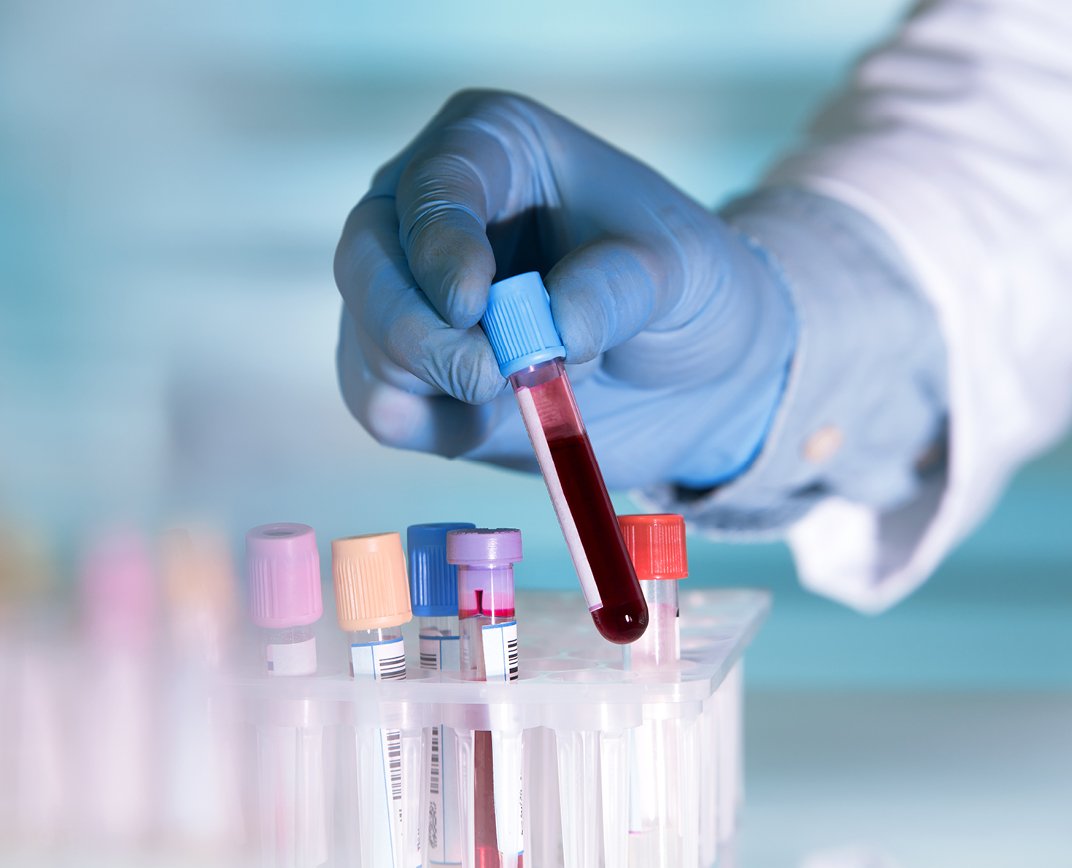
We’ll collect: blood.

Expert laboratory analysis
Your sample is analyzed in top-tier, accredited labs using state-of-the-art technology. Results are available within 2 business days.

Get your results online
Access your results safely and securely in your personal account. Clearly presented and easy to understand.
Customer reviews
5 stars out of 5 ratings
5 customer reviews
 Verified customer
Verified customer
Verified customer

Build your own package
Use your time efficiently. You’ll have your package assembled in no time.
You can easily choose your test in a user-friendly configurator – everything in one place, without unnecessary clicks. An effective solution for your health, tailored exactly to your needs.