
 Slovenčina




- Separate parameter
- Possibility of interpretation


Calcium (Ca)
+5 €Processing of results
you only pay once per orderCalcium is a mineral and also an essential building block of bones and teeth. It participates in the function of a number of enzymes, blood clotting, muscle function and the production and release of hormones.
I’m ordering:
Find out why our customers love us













Calcium (Ca)


Our customers consistently rate us an average of 5 from 5 stars. For our professionalism, efficiency, and empathetic approach.

You can receive your results for selected tests on the same day as the sample collection, all other results will be available online within a few business days.

With online booking for a specific time, you minimize waiting and complete the entire sample collection quickly and comfortably.

We’re close to you at 41 collection points across Slovakia - high-quality laboratory test are within reach.

Our laboratories perform more than 40.1 million tests annually for physicians, healthcare facilities, and self-paying patients.
About this test
Calcium is a mineral and also an essential building block of bones and teeth. It participates in the function of a number of enzymes, blood clotting, muscle function and the production and release of hormones.
Benefits of a calcium test
- Results within 1 working day
- During a single blood draw, we can analyse this parameter along with a range of additional biomarkers. Explore our Product Configurator.
- Calcium (Ca, calcium) is one of the most important minerals in the body
- It is also an essential building block of bones and teeth
- Involved in the function of many enzymes, muscles, blood clotting, production and release of hormones
- It is included in selected variants of the Prevention Man or Prevention Woman tests
Notice
Laboratory test results must always be interpreted in the context of the patient’s medical history, clinical condition, and the results of other laboratory and diagnostic tests. Deviations from normal values are not sufficient on their own to establish a diagnosis, and values within the normal range do not always mean that a disease is absent. It is advisable to consult a doctor about the results.
Collection instructions
Please read these instructions carefully well in advance of the collection.
Bring a valid ID (ID card or passport) to verify your identity.
Testing procedure
How takes place Calcium (Ca)
Your journey to better health starts here — simple, clear, and tailored for you.

Choose the right test for you
Explore our wide selection of lab tests tailored to your symptoms, lifestyle, or specific parameters. Find exactly what you need — quickly and easily.

Book online in just a few clicks
Select a convenient time at one of our 40 collection points and pay securely by card. The whole process takes just minutes.

Visit your chosen collection point
Arrive at your selected location at the scheduled time. The sample collection is fast and hassle-free.
We’ll collect: blood.

Expert laboratory analysis
Your sample is analyzed in top-tier, accredited labs using state-of-the-art technology. Results are available within 1 business day.

Get your results online
Access your results safely and securely in your personal account. Clearly presented and easy to understand.
What interests you about the Calcium test?
What can cause an increase in blood calcium levels?
The cause of a higher blood calcium level is its increased leaching from the bones. This occurs due to an excess of parathyroid hormone released by the parathyroid glands. Other causes include some types of cancer (myeloma, bone metastases, lung, esophageal, head and neck, kidney, ovarian, bladder cancer). An excess of vitamin D is also associated with a higher blood calcium level.
The cause may also be:
- increased bone turnover due to immobilization,
- higher levels of thyroid hormones,
- overdose of vitamin A,
- insufficient adrenal function.
It may also be due to excessive absorption of calcium in the intestine, the intake of certain medications causing insufficient excretion of calcium by the kidneys, or dehydration, while the amount of calcium in the blood is not actually increased. [1]
How does an elevated blood calcium level manifest itself?
Symptoms of an elevated blood calcium level vary depending on the cause and duration, degree of increase and speed of onset. A mildly elevated calcium level is practically symptomless or manifests itself only with non-specific symptoms.
The most common symptoms are disorders of the nervous system (fatigue, muscle weakness, lethargy, cramps, confusion, delirium) and digestive tract functions (nausea, anorexia, vomiting, abdominal pain and constipation). The kidneys are often affected, due to the increased calcium concentration there is excessive urination and subsequently thirst. Kidney stones can also form and obstruction of the hollow system and renal failure can occur. Cardiovascular symptoms may include rhythm disturbances (slowing or accelerating) or conduction disturbances such as conduction block. High levels can lead to coma, low blood pressure, kidney or heart failure, or the formation of clots in the veins. [2]
How does low blood calcium levels manifest?
People with mild hypocalcemia usually have no symptoms. A very important factor is the speed of hypocalcemia. The faster the low blood calcium levels develop, the more obvious the symptoms are. The most dramatic manifestation is the so-called tetanic (muscle) spasms, most often affecting the larynx or bronchi.
Slowed heart rate, low blood pressure, heart failure and small or large epileptic seizures may also occur. Symptoms depend on the severity of hypocalcemia. Mild hypocalcemia may be asymptomatic, or may only manifest itself as tingling around the mouth and in the limbs. If it lasts longer, depression, memory loss or hallucinations may develop. Chronic hypocalcemia is also manifested by dry skin, brittle nails and poor hair quality. [3]
What is calcium used for?
The body needs calcium to move muscles (contraction of skeletal and cardiac muscles) and to transmit messages between the brain and the rest of the body. Calcium also helps blood clot and release hormones that affect most processes in the body. Calcium works closely with vitamin D, which helps it be absorbed.[1]
Which hormone increases blood calcium levels?
Blood calcium levels, absorption, and excretion are controlled by parathyroid hormone, calcitonin, and calcitriol (a hormone derived from vitamin D). Parathyroid hormone (PTH) is a hormone produced and released by the parathyroid glands that increases blood calcium levels. It also helps control phosphorus and vitamin D levels in the blood and bones. The antagonist of PTH is calcitonin, which lowers blood calcium levels.[4]
Customer reviews
5 stars out of 78 ratings
78 customer reviews
 Verified customer
Verified customer
Verified customer
Verified customer
Verified customer
Verified customer
Verified customer

Build your own package
Use your time efficiently. You’ll have your package assembled in no time.
You can easily choose your test in a user-friendly configurator – everything in one place, without unnecessary clicks. An effective solution for your health, tailored exactly to your needs.
Add similar tests to your cart
Information from the blood? You can never have enough

Magnesium (Mg) is a mineral that is related to the metabolism of bones, muscles, intestines, kidneys and, together with other minerals, is involved in maintaining the balance of the internal…

It helps assess overall health, can help detect anemia (low blood count) and thus impaired oxygen supply to tissues, determine the risk of infections, inflammation, immune disorders, or blood…

Focuses on pH and specific gravity of urine, also includes qualitative evidence of the presence of protein, sugar, ketone bodies, bilirubin, urobilinogen, nitrites, hemoglobin and leukocytes in the…

 The most popular
Maintaining proper vitamin and mineral levels is essential for overall well-being and a healthy lifestyle. We've carefully curated a test panel that includes a wide range of essential nutrients…
You take the Calcium (Ca) as part of the following tests

Discover valuable information about a vital organ responsible for maintaining your overall health and eliminating waste products from your bloodstream. Our Kidney & Urinary Profile measures…

Regular exercise has proven health benefits. There is evidence to suggest that a sedentary lifestyle may be a stronger predictor of mortality than known risks such as smoking, high blood…

This liver test provides valuable information about the functionality of your body's largest internal organ. The liver plays a crucial role in over 500 essential functions, including…

In the “Men's preventive care 50+” laboratory testing package, 28 parameters are monitored. This variant is intended for men over the age of 50. Compared to the 40+ age variant, this package includes…

As part of the “Men's preventive care 60+” laboratory testing package, we will examine 29 parameters. You will obtain an overview of important markers, such as the level of PSA and fPSA prostate…

As part of the “Women's preventive care 30+” laboratory testing package, we will examine the laboratory values of 18 parameters. Compared to the “Women's preventive care 20+” variant, “Women's…

As part of the “Women's preventive care 40+” laboratory testing package, we will monitor the values of 25 parameters. Compared to the “Women's preventive care 30+” variant, this package additionally…

As part of the “Women's preventive care 50+” laboratory testing package, we will examine the values of 31 laboratory parameters. Compared to the “Women's preventive care 40+” variant, hepatic…

As part of the “Women's preventive care 60+” laboratory testing package, we will examine the values of 28 laboratory parameters. For example, we will examine the levels of ALT, creatinine, uric acid,…

This package is for anyone experiencing musculoskeletal pain, those prone to bone conditions such as osteoporosis, or women who have entered menopause prematurely. And for those who want to have…
Healthy skin, hair, and nails boost a woman’s confidence and well-being. Moreover, the skin is one of the best indicators of overall health. A decline in the quality of skin, hair, and nails may…
Healthy skin, hair, and nails boost a woman’s confidence and well-being. Moreover, the skin is one of the best indicators of overall health. A decline in the quality of skin, hair, and nails may…

As part of the EXPERT test package, we will examine your blood and urine, focusing on parameters that are the most sensitive to changes after switching to veganism/vegetarianism. Checking your health…
As part of the BASIC test package, we will examine your blood and urine, focusing on parameters that are the most sensitive to changes after switching to veganism/vegetarianism. Checking your health…

 News
News
Regular exercise offers numerous health benefits, but it also places greater demands on our bodies. This Fitness WOMAN laboratory test package is designed for all women who want to start exercising…

Regular exercise offers numerous health benefits, but it also places greater demands on the body. The Fitness MEN laboratory test package is designed for all men who want to start exercising or who…

This package is for anyone experiencing musculoskeletal pain, those prone to bone conditions such as osteoporosis, or women who have entered menopause prematurely. And for those who want to have…

This package is for anyone experiencing musculoskeletal pain, those prone to bone conditions such as osteoporosis, or women who have entered menopause prematurely. And for those who want to have…
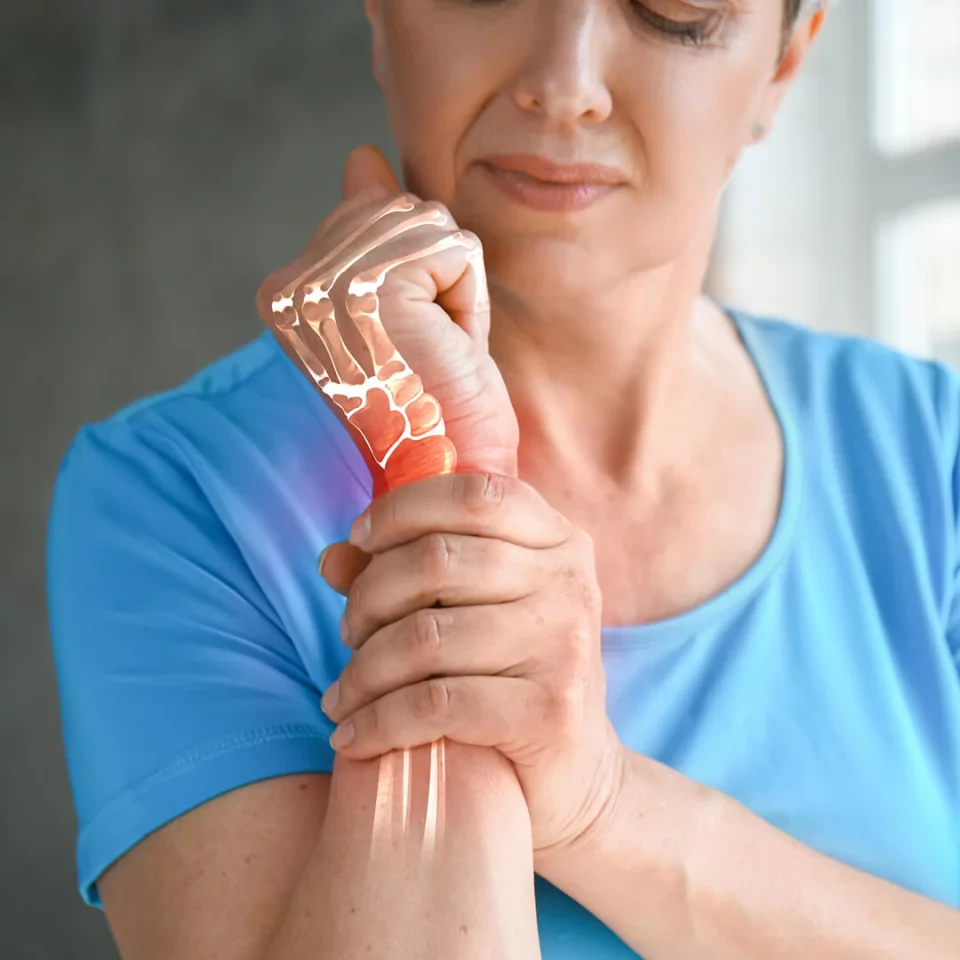
This package is for anyone experiencing musculoskeletal pain, those prone to bone conditions such as osteoporosis, or women who have entered menopause prematurely. And for those who want to have…
Sources
[1] Goyal A, Anastasopoulou C, Ngu M, et al. Hypocalcemia. (2023). StatPearls. Treasure Island (FL). Dostupné online na: https://www.ncbi.nlm.nih.gov/books/NBK430912/. [cit. 14-11-2024].
[2] Goyal A, Anastasopoulou C, Ngu M, et al. Hypocalcemia. (2023). StatPearls. Treasure Island (FL): StatPearls. Dostupné online na: https://www.ncbi.nlm.nih.gov/books/NBK430912/. [cit. 14-11-2024].
[3] Goyal A, Anastasopoulou C, Ngu M, et al. Hypocalcemia. (2023). StatPearls. Treasure Island (FL): StatPearls. Dostupné online na: https://www.ncbi.nlm.nih.gov/books/NBK430912/. [cit. 14-11-2024].
[4] Goyal A, Anastasopoulou C, Ngu M, et al. Hypocalcemia. (2023). StatPearls. Treasure Island (FL): StatPearls. Dostupné online na: https://www.ncbi.nlm.nih.gov/books/NBK430912/. [cit. 14-11-2024].