
 Slovenčina

Our customers consistently rate us an average of 5 from 5 stars. For our professionalism, efficiency, and empathetic approach.

You can receive your results for selected tests on the same day as the sample collection, all other results will be available online within a few business days.

With online booking for a specific time, you minimize waiting and complete the entire sample collection quickly and comfortably.

We’re close to you at 45 collection points across Slovakia - high-quality laboratory test are within reach.

Our laboratories perform more than 40.1 million tests annually for physicians, healthcare facilities, and self-paying patients.


It helps assess overall health, can help detect anemia (low blood count) and thus impaired oxygen supply to tissues, determine the risk of infections, inflammation, immune disorders, or blood…

Vitamin D (calciferol) is present in humans in two different forms: vitamin D3 (cholecalciferol) and vitamin D2 (ergocalciferol). You can use our test to measure your vitamin D blood level. Vitamin…

Testosterone is the male sex hormone that is made in the testicles. Testosterone hormone levels are important to normal male sexual development and functions. Within this test, we test 1 parameter –…

 News
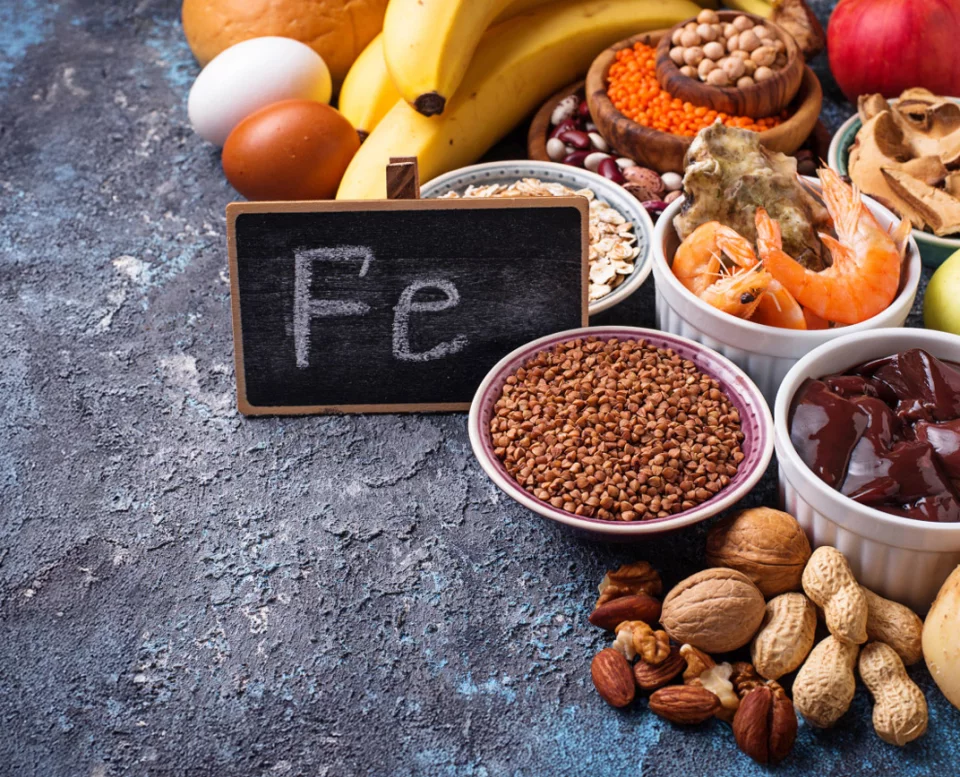
Iron is an essential biological element required for many processes in the human body. Above all, it is a key component of hemoglobin—the red blood pigment in red blood cells—which is essential for…

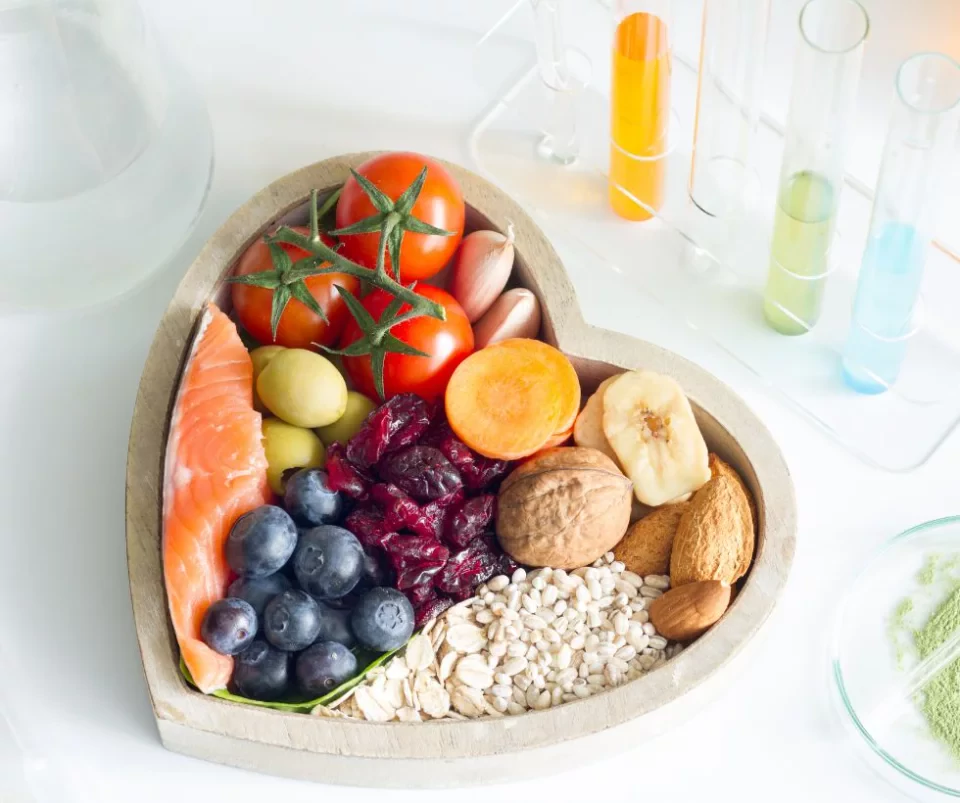
Triglycerides and cholesterol levels, HDL and LDL are essential markers of fat metabolism. They depend among other on the diet received, physical activity and the functioning of the metabolism as a…
Creatinine is a protein (protein) that is produced by all cells of the human body. Creatinine excretion takes place exclusively by the kidneys and therefore allows the examination of the level of…

Magnesium (Mg) is a mineral that is related to the metabolism of bones, muscles, intestines, kidneys and, together with other minerals, is involved in maintaining the balance of the internal…
LDL - low-density lipoproteins, are particles that transport the bulk of cholesterol from the liver to the peripheral tissues. They are formed in the liver as VLDL (very low-density lipoproteins),…
HDL cholesterol is referred to as "the good one". Its most important function is to rid the blood vessels of excess cholesterol stored in the cells of their walls and to transport it to the liver,…
ALT (Alanine aminotransferase) is an enzyme present in the cytoplasm of cells of certain tissues such as liver cells. It is important for the formation and degradation of amino acids, and also plays…
TSH is a hormone produced by the cells of the anterior lobe of the hypophysis/pituitary gland. It affects the metabolism of thyroid cells and stimulates the production and secretion of thyroid…

Water forms the basis of the internal environment. Disturbances in water metabolism and fundamental ions (Na, K Cl) are common. Sodium is the main cation and binds the most water. The determination…

Zinc is an essential mineral that plays a role in various bodily functions, including immune system function, wound healing, and cell growth. The test helps assess whether you have a zinc deficiency…

B12 is an essential nutrient plays a crucial role in maintaining healthy nerve cells, supporting red blood cell production, and aiding in DNA synthesis. Deficiency in B12 can lead to fatigue, nerve…

Calcium is a mineral and also an essential building block of bones and teeth. It participates in the function of a number of enzymes, blood clotting, muscle function and the production and release of…
Triglycerides and cholesterol levels, HDL and LDL are essential markers of fat metabolism. They depend among other on the diet received, physical activity and the functioning of the metabolism as a…

GGT is a gamma-glutamyl transferase, an enzyme bound to cell membranes with the highest concentration in the liver. It is very sensitive to changes in liver function, but also to damage to the…


Sodium (Na⁺) is a biogenic element that, as the principal cation in the human body, works together with other electrolytes to ensure normal cellular function, regulate total body water and maintain…
Free T4 (fT4) is a physiologically active form of thyroxine. Thyroxine (T4) is one of the two main thyroid hormones. It is produced exclusively in the thyroid gland and it is a natural part of the…
Total bilirubin refers to the combined measurement of both direct bilirubin and indirect bilirubin in the blood. Bilirubin is a yellow pigment produced when red blood cells break down. Indirect…

Folate is crucial for cell growth, DNA synthesis, and the production of red blood cells. The test helps determine if you have sufficient levels of folate, which is necessary for overall health,…
A complete blood count is one of the basic laboratory tests and provides an overview of the blood’s composition. It includes the number of red blood cells, white blood cells, and platelets, as well…
HbA1c is short for glycated hemoglobin, another parameter in the metabolism of sugars in the body. The HbA1c value provides indirect information about the average blood sugar (glycaemia) level over a…

ALP activity and osteocalcin levels will provide information about your bone metabolism.
Lipoprotein (a) is considered an independent risk factor for atherosclerotic cardiovascular disease. It is a specific lipoprotein found in plasma that has a composition similar to LDL (low-density…
Apolipoprotein B (apoB) is the main protein component of atherogenic (atherosclerosis-causing) lipoprotein particles. It is a key indicator of cardiovascular risk because it directly reflects the…
SHBG (sex hormone-binding globulin) is a protein that binds sex hormones in the blood, particularly testosterone and estradiol. It plays an important role in regulating their availability—that is,…
Total protein determination is the determination of the concentration of all proteins in blood plasma. Proteins are the basic building blocks of all cells and tissues. They are important not only for…

Fasting insulin helps evaluate your body's ability to regulate blood sugar levels. Insulin is a hormone produced by the pancreas that allows your cells to use glucose (sugar) from the food you eat as…
Free T3 (fT3) is an active form of triiodothyronine (T3) – a hormone produced primarily in the thyroid gland. The effect of the free fraction of the T3 hormone is approximately 10-times higher than…

Take a PSA test to find out a potentially elevated level of the PSA blood protein. This test may be taken any time throughout the year – not only in November (also in November). PSA as an enzyme…

Focuses on pH and specific gravity of urine, also includes qualitative evidence of the presence of protein, sugar, ketone bodies, bilirubin, urobilinogen, nitrites, hemoglobin and leukocytes in the…

Phosphorus is an important mineral that helps with various functions, including bone health, teeth, energy production, and cell communication. Abnormal phosphate levels could indicate certain…
Direct bilirubin has been processed by the liver and is ready to be eliminated from the body. Bilirubin is a yellowish pigment produced when red blood cells break down. It is processed by the liver…
This test measures the level of the female sex hormone progesterone in blood serum.

Copper is a component of enzymes and involved in iron metabolism.
Luteinizing hormone is also a hormone produced in the anterior lobe of the pituitary gland. A typical finding in the postmenopausal period is an increased level of LH in the blood.LH stimulates…

Follicle-stimulating hormone is a hormone produced in the anterior lobe of the pituitary gland. After menopause, levels of FSH in the blood can likely be elevated.FSH stimulates the growth and…
It provides insight into the cellular, organic and inorganic composition of urine. It is important for assessing kidney and bladder function.

Do you wish to know your hCG hormone level using a pregnancy blood test? The hCG hormone (also referred to as the pregnancy hormone) is a laboratory parameter that is examined on a blood sample in…
Cystatin C is a protein that can be used in laboratory diagnostics to estimate the glomerular filtration rate (eGFR)—an indicator of kidney function.
PT (prothrombin time) is a coagulation test that can help detect blood clotting disorders, deficiencies in coagulation factors, or impaired liver function.
Apolipoprotein A1 (apoA1) is the most important and most abundant protein (apoprotein) in HDL particles. HDL particles, or high-density lipoproteins, are one of the main classes of lipoproteins…
APTT (activated partial thromboplastin time) is a blood test that evaluates the intrinsic and common pathways of blood coagulation.

Check your ovarian reserve by means of an AMH test (Anti-Müllerian hormone). Get an overview of how you can influence your path to pregnancy. This test will show an AMH value that can be used to…
Small dense LDL particles (sd-LDL) are a subclass of LDL; they are smaller, denser, and associated with a higher risk of cardiovascular disease than large LDL particles.
The soluble transferrin receptor (sTfR) is a fragment of the membrane-bound transferrin receptor that circulates in the blood and reflects iron stores and the rate of red blood cell production.
Bile acids are an indicator of liver and biliary tract function. They are important for the digestion of fats. This test measures the levels of total bile acids in the blood and can be used to assess…
Selenium is an essential trace element. The selenium content in plant foods depends on the selenium content of the soils and can vary greatly. In Europe, the soils and thus most plant foods are…
Serum protein electrophoresis (ELFO) is a laboratory method that can help to detect and characterise immune disorders, inflammatory diseases, liver diseases, kidney diseases and cancers by separating…

This test determines the level of specific IgG antibodies against the varicella-zoster virus (VZV) in the blood serum. The varicella-zoster virus, which belongs to the group of human herpesviruses,…
Haptoglobin is a protein produced in the liver that binds and transports free hemoglobin in plasma.
Consuming an adequate amount of Vitamin A supports eye health. Vitamin A also stimulates white blood cell production and activity, is involved in bone formation, helps maintain healthy endothelial…
Vitamin E is a fat-soluble vitamin with several forms, but alpha-tocopherol is the only one used by the human body. Its main role is to act as an antioxidant, scavenging loose electrons—so-called…
Fructosamine is a glycated protein formed by a reaction between glucose (known as blood sugar) and the amino acid residues of proteins. It is a medium-term indicator of diabetes control, unlike blood…
Lactate dehydrogenase is an enzyme found in most cells of the human body; it is released into the blood when these cells are damaged. The highest concentrations of lactate dehydrogenase are found in…

A serological test (from the blood) for IgG antibodies against the Morbillivirus that causes the disease. The result is a determination of whether the person has a high enough level of antibodies to…
Anti HBc total refers to the total antibodies directed against the hepatitis B core antigen (HBcAg) and comprises a combination of IgM and IgG antibodies. They may be present in cases of acute, past…
Anti HBc IgM are specific IgM-class antibodies directed against the hepatitis B virus core antigen (HBcAg). They are among the serological markers used in the diagnosis of hepatitis B virus infection…

Coenzyme Q10 (CoQ10) is a substance that belongs to the group of ubiquinones. It is an essential cofactor of the mitochondrial respiratory chain and acts as an antioxidant. Functionally, it is…